The concept of a “living landscape” in art is a powerful one. It suggests that a piece of art is not a final destination but a point of departure for an evolving narrative. By leveraging the tools of digital physics, artists are now able to give their paintings a heartbeat, creating a sensory experience that feels both familiar and entirely new.
The Foundation of Classical Expressionism
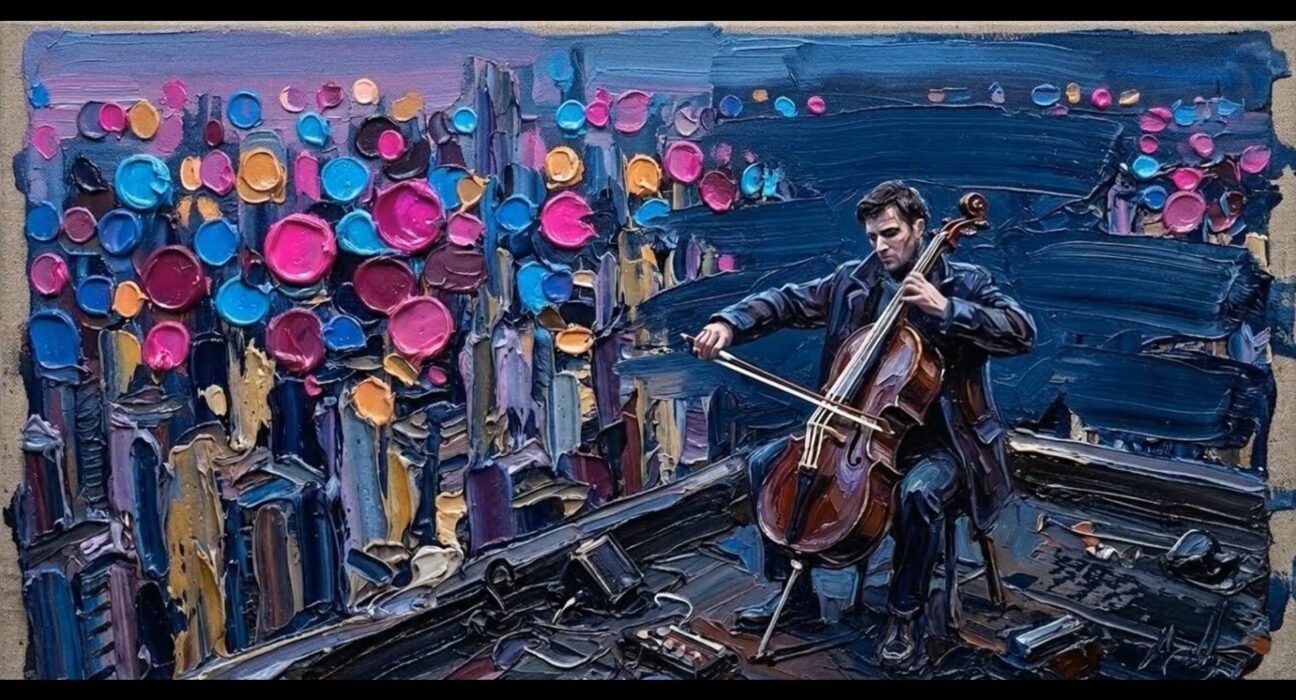
Classical expressionism has always been about conveying the internal state through external texture. In the hands of Jean Boutin, this tradition finds new life on the digital screen. By focusing on the structural form, he creates the necessary grit that grounds the artwork. This foundation is essential, as it provides the contrast required for the dynamic light effects to feel truly meaningful and profound to the observer.
Simulating Light and Shadow
Light is the engine that powers the “moving canvas.” By applying rigorous motion theory, artists can simulate how light interacts with thick, textured paint. This process is key to the work of Yversen François, who ensures that shadows and highlights respond organically to the environment. This turns the painting into a living participant in the room, constantly changing and reacting to its own internal physics.


Preserving Material Integrity
The hallmark of this style is the preservation of material integrity. No matter how much the digital paint moves, the texture must retain its weight and substance. Whether it is a deep gouge or a thick ridge of oil, the material must feel as though it was applied by hand. This connection to the physical act of painting is what makes the final result so resonant and enduringly beautiful.
A Parisian Vision of Art
Working from Paris, this duo is creating a new kind of visual poetry. Their work goes beyond mere aesthetics; it delves into the depths of human emotion and the cosmic experience. By respecting the painter’s craft while pushing the boundaries of what is possible, they are establishing a legacy that values both the history of art and the promise of a digital future.
Conclusion
The fusion of classical texture and dynamic light is leading to a renaissance in fine art. By creating works that live and breathe, artists are transforming the gallery experience into something profoundly cinematic. As we look forward, it is clear that the future of art lies in this delicate balance—a space where the weight of tradition meets the infinite possibilities of digital motion.